

For the first time in a decade, the biggest trust story in American policing is a good one. Gallup found that public confidence in the police climbed from 43 percent in 2023 to 51 percent in 2024. That eight-point jump was the largest single-year gain of any institution Gallup tracked, and it lifted confidence back above the halfway line while most other institutions stalled or slipped (Gallup).
If you run a department, that headline should feel like a tailwind. After years of absorbing reputational damage from incidents in cities you have never set foot in, the national mood is finally moving in your favor. Chiefs I talk to describe it as a rare exhale.
Then comes the question that decides whether the tailwind matters at all: recovering where, exactly? Gallup can tell you that Americans, on average, feel better about "the police." It cannot tell you whether the residents of your city feel better about your officers. That distance between national sentiment and local evidence is where the next few years of opportunity actually sit.
The rebound belongs to no one in particular
Gallup measures a national abstraction. When someone in another state answers a question about confidence in police, their answer is built from cable news, viral clips filmed a thousand miles away, political identity, and, somewhere in the mix, their own encounters. The eight-point recovery is real, but it is attached to no single agency. Your department cannot claim it, because nothing inside it is about your department.
Chiefs already understand this dynamic, because they lived the painful version of it. When national sentiment collapsed after high-profile incidents, agencies with genuinely strong community relationships still took the hit. The rebound runs on the same logic in reverse. A friendlier national climate will warm the room, but it produces zero evidence about how your officers treated the person they stopped on Tuesday night.
The national confidence line is recovering, but individual departments sit above and below it. The average describes the country, not your community.
There is a precision problem hiding in that eight points. A national shift is an average across thousands of jurisdictions moving in different directions at different speeds. Some departments earned double-digit local gains in the same window. Others quietly kept losing ground and never noticed, because the only trust instrument they owned was the national headline. Averages are exactly where local realities go to disappear.
Sentiment is the climate. Experience is your weather.
National polling and local trust are not the same measurement. Polling tracks how people feel about an institution in the abstract. Local trust is built one encounter at a time. Roughly 60 million police-community contacts happen in the United States every year (BJS), and nearly all of them go unrecorded as experience. The rebound tells you the climate improved. It says nothing about your weather.
That is not a reason to dismiss the good news. It is a reason to localize it before someone else defines it for you. A council member can cite Gallup in a budget hearing just as easily as a chief can, and the number will support whichever story the room already wants to tell. The agency that walks in with its own data does not have to argue about the national mood.
What agencies that measure at home will capture
Departments that treat this moment as more than a pleasant headline share one habit: they measure trust locally. Doing so turns the national tailwind into three assets a chief can actually use.
They will know whether they are part of the rebound
If your agency has a local trust baseline, meaning verified feedback from real encounters scored on the behaviors that drive legitimacy, you can answer the only version of the question that matters. Is trust in this department rising too? Maybe your community is ahead of the national curve. Maybe it is lagging, and the friendly climate is masking a problem you would rather find now than during a crisis. Both answers are valuable, and only measurement produces either one. Our framework for measuring community trust covers how to stand up that baseline in about 90 days.
They will hold evidence for councils and recruits
The rebound will surface in budget hearings and contract talks whether you raise it or not. A chief with interaction-level data gets to replace the national proxy with the real thing: here is what our residents say after actual stops and calls for service, quarter over quarter. The same evidence works on hiring. IACP research finds that 78 percent of agencies cite negative public perception as a barrier to recruitment, and a department that can show a candidate, and that candidate's family, verified community ratings is answering perception with proof. We trace that whole loop in the trust-recruitment death spiral.
They will compound the gain through recognition
Rising trust is not only something to record. It is something to feed back into the organization. When community feedback flows in continuously, most of it is positive. On the Guardian Score platform, ratings average 4.7 out of 5, and roughly two-thirds of surveys include written comments, many of them thank-yous that would otherwise never reach the officer who earned them. Routing that signal back, recognizing sustained high scores publicly and reading comments at roll call, converts a favorable climate into better morale, and better morale into better encounters. Recognition doubles as a retention tool, which is the argument in officer recognition and retention.
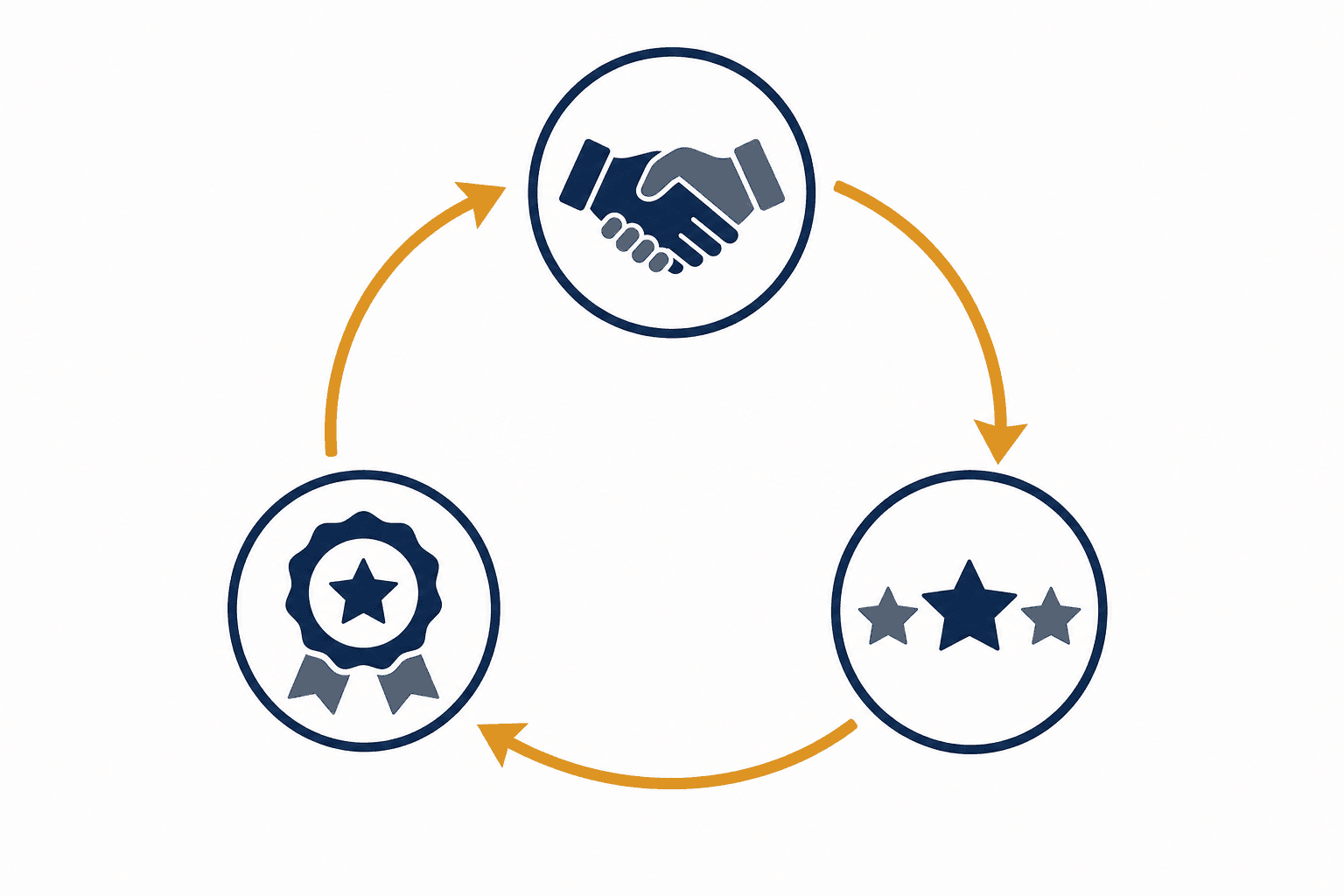
Verified feedback closes a loop the national poll cannot reach: encounter, rating, recognition, and a better next encounter.
Polls swing. Local data compounds.
Now the uncomfortable part. National polling on institutional confidence is volatile. It moved eight points in a single year, which is a plain reminder that it can move eight points back. One high-profile incident anywhere in the country can reset the national mood regardless of anything your officers did or did not do. If your department's trust story rests on Gallup, it rests on something you neither control nor can defend when the room turns.
Local, interaction-level data behaves differently. It accumulates through news cycles instead of being erased by them. A department with three years of verified feedback trends, visible in analytics at the officer, squad, and department level, can show precisely how its community experienced its officers no matter what the national narrative was doing at the time. When the next downturn arrives, and it will, that agency holds evidence while its neighbors hold anecdotes.
The window will not stay open forever
Moments like this are rare in public safety. Sentiment is finally moving in the profession's favor, residents are more willing to engage, and the trust story a chief tells is more likely to get a fair hearing than at any point in years. Agencies that start measuring now lock in the flattering baseline, and every quarter after that becomes a documented trend line rather than a memory.
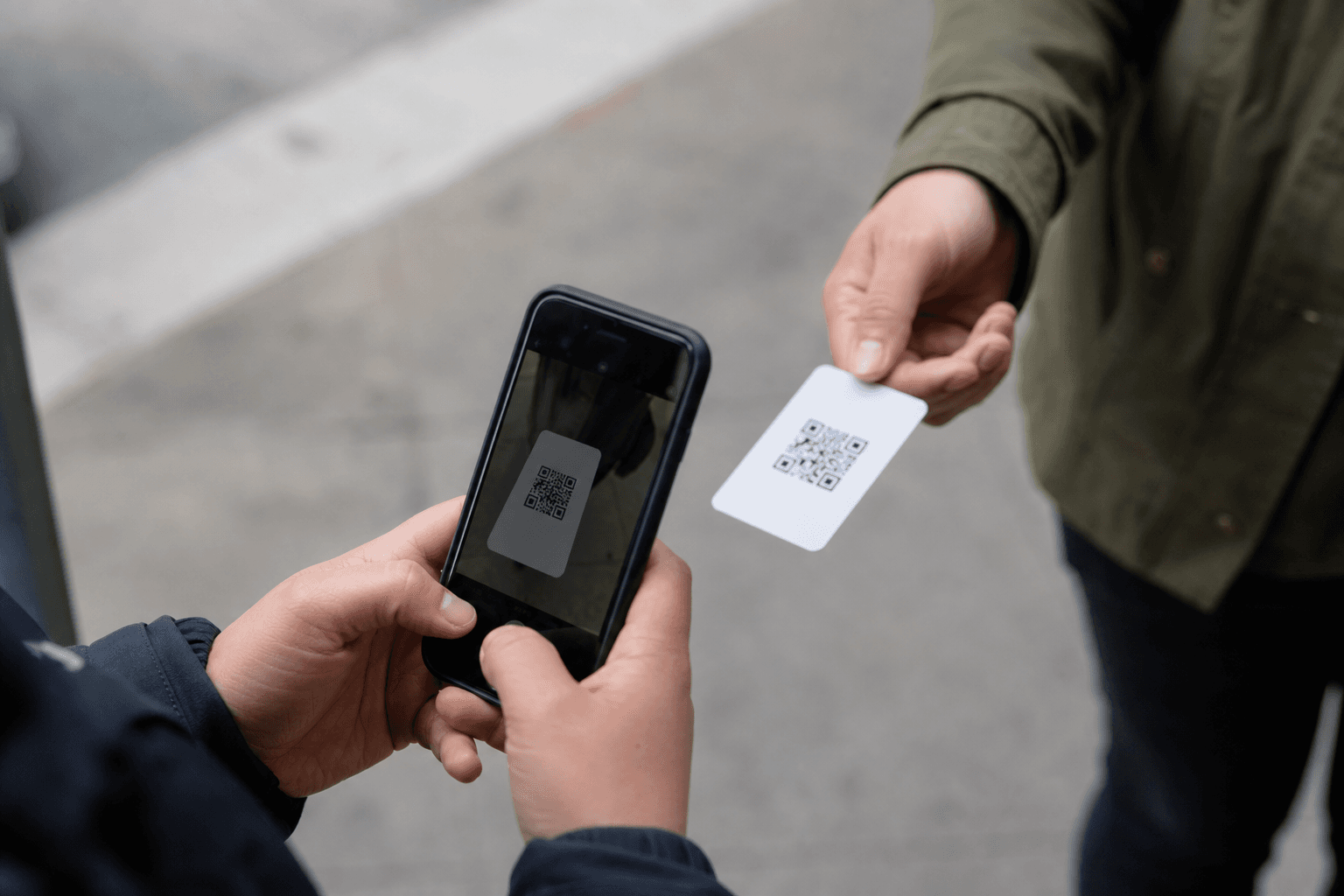
The first step is smaller than most command staffs expect. Pick one or two units, hand out verified feedback cards after routine encounters, and review the results in meetings you already hold. Within a quarter you will know something Gallup can never tell you: whether the community you actually serve trusts the officers you actually deploy, and which specific behaviors that trust is built on.
The rebound is real. Whether it becomes your rebound is a measurement decision, and it is yours to make.
Guardian Score gives departments verified, interaction-level trust data, the local evidence behind the national headline. Get started.
Frequently asked questions
Is trust in police increasing?
Nationally, yes. Gallup found confidence in police rose from 43 percent in 2023 to 51 percent in 2024, the largest single-year gain of any institution it measured. Whether trust is rising in one specific community can only be answered with local measurement, because a national number is an average across thousands of jurisdictions.
Why don't national polls tell a department how trusted it is?
National surveys capture aggregate sentiment shaped by news cycles, viral video, and political identity, not the lived experience of one city. An eight-point national shift is an average, and departments moving in opposite directions can hide inside the same number.
How can a police department measure trust locally?
By collecting verified, anonymous feedback after real encounters. Roughly 60 million police-community contacts happen in the United States every year, and scoring the procedural-justice behaviors behind them produces a trust signal at the officer, squad, and department level.