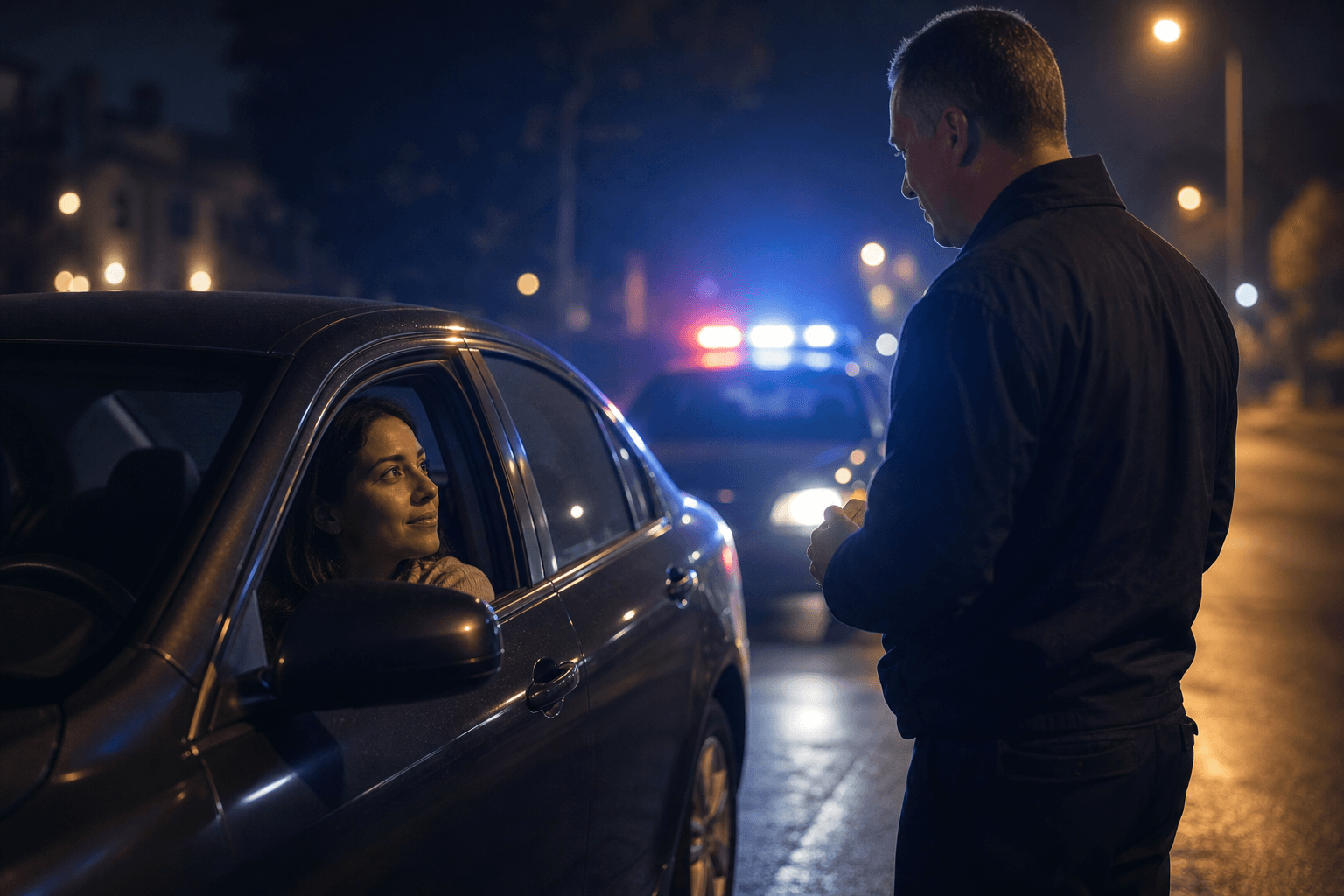
Ten seconds. That is about how long it takes an officer to tell a driver why the car got pulled over. It is also, according to a growing body of procedural justice research, the most important sentence in the stop.
Most officers were trained on where to stand, how to angle the cruiser, and when to call for backup. Almost none were coached on that opening line. Yet of every behavior tied to community trust, explaining the why is the cheapest to perform and the most costly to skip. Here is the evidence, the reason it works, the words to use tomorrow, and what happens when a department measures it.
The traffic stop is where trust gets decided
The traffic stop is the most common way Americans meet their police. A large share of the more than 60 million annual police-community contacts happen through a windshield, and for millions of people a stop is the only unscripted encounter they will ever have with a badge and a gun. Whatever happens in those few minutes becomes, in that person's mind, what the police are.
Procedural justice research is clear about what shapes that judgment. People rate the encounter less by the outcome (ticket or warning) and more by whether the process felt fair. Fairness breaks down into things a driver can actually perceive: having a voice, being treated with dignity, seeing neutrality, and sensing that the officer's motives are trustworthy. (Our full explainer on what procedural justice is and how to measure it goes deeper.)
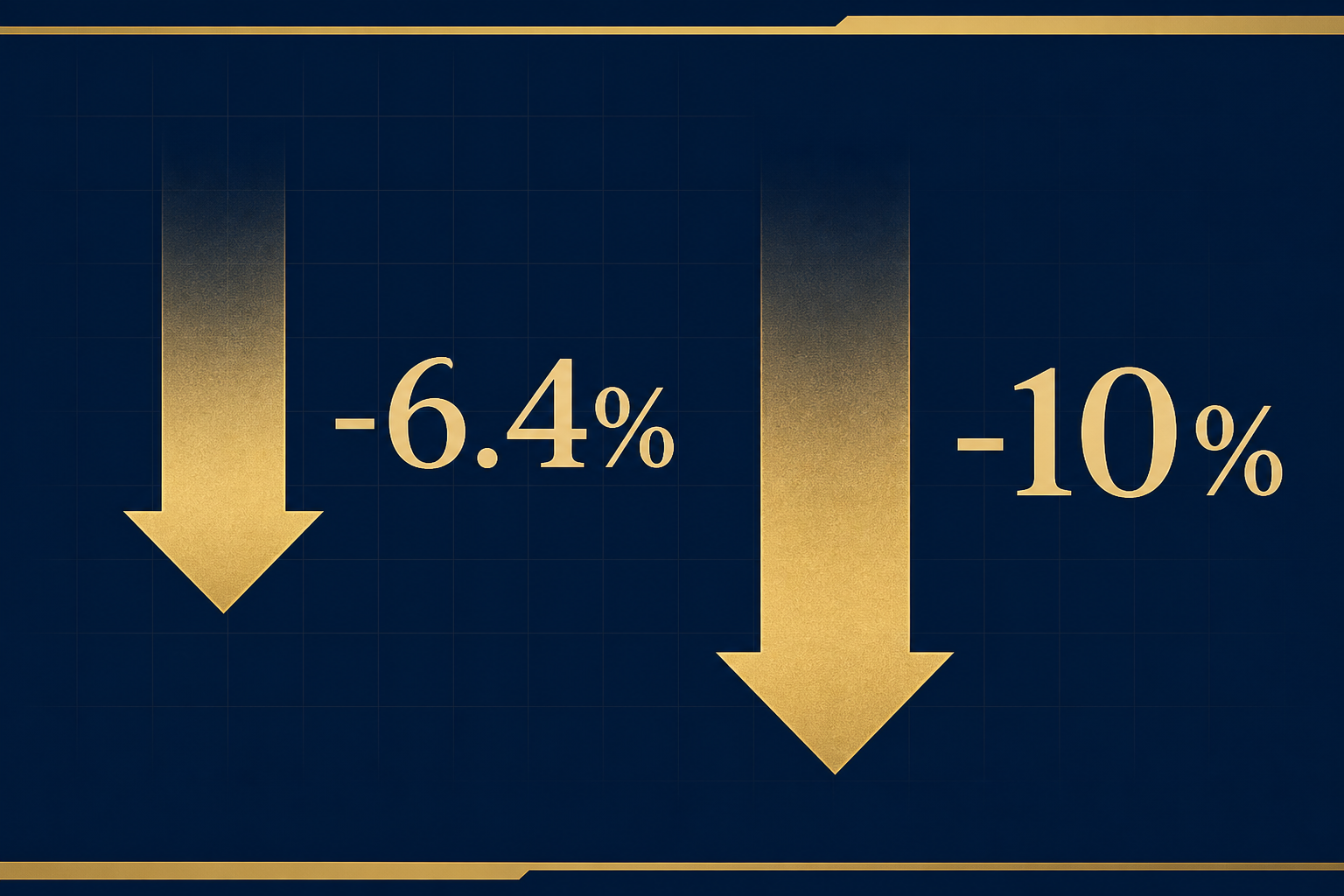
Explaining the why sits on top of two of those principles at once. It signals trustworthy motives, because the stop has a reason and the reason is not personal. It also opens the door to voice, because a driver who knows the allegation can respond to it. This is not theory with good posture. When Chicago ran officers through a single day of procedural justice training built on these ideas, the department saw a 6.4 percent drop in use of force and a 10 percent drop in complaints over two years.
What ten seconds changes in the driver's head
Picture the driver. Lights in the mirror, pulse climbing, one question crowding out everything else: why is this happening to me?
Until that question gets answered, the brain is running threat assessment, not cooperation. Every instruction (license, registration, hands where I can see them) lands without context, and instructions without context feel like domination. That is where stops go sideways. Not because the driver disputes the law, but because uncertainty reads as danger, and being left unexplained reads as being disrespected.
Ten seconds of explanation collapses that. The stop stops being something done to the driver and becomes something the driver understands. The officer changes from an unaccountable authority into a professional doing a job for a stated reason. A driver who disagrees with the reason is now arguing about facts instead of fighting about power, and a driver who knows the why can offer their side, which is the voice principle doing real work.
The officer safety case runs the same direction. A driver who understands what is happening is calmer, and a calmer driver is a safer stop. Explaining the why is not a soft skill bolted onto tactics. It is a de-escalation tactic that happens to build trust, the guardian move we describe in Guardian Mindset vs. Warrior Mindset.
What it actually sounds like
None of this requires a speech. It requires one honest sentence, early.
"Good evening. The reason I stopped you is you were doing 51 in a 35 back on Elm Street. Can I see your license and registration?"
"Hi there. I pulled you over because your passenger-side brake light is out. You may not even know. This should only take a few minutes."
"Before we finish, you'll see the court date at the bottom of the citation and instructions for contesting it if you disagree. Any questions I can answer?"
Notice the anatomy. Reason first, stated as fact, no sarcasm. "Do you know why I pulled you over?" is a quiz, not an explanation, and it invites a guess that becomes an admission or an argument. The last line is the bookend behavior, explaining next steps, which closes the stop as clearly as the first sentence opened it.
How it shows up in the data
Here is what makes this micro-behavior useful to a chief: it is measurable, per interaction, per officer.
When a department hands out single-use QR interaction cards, the anonymous 60-second survey asks the community member to rate five behaviors, and explaining why is the first of them. That turns a training slide into an officer-level number. A supervisor can see which officers score high on explanation and which squads are drifting. Roughly two-thirds of surveys come back with written comments, and drivers routinely name this exact behavior as the reason they rated a stop well.
The honest limits: feedback comes only from people who were stopped, and one rating tells you nothing. The value is the trend across dozens of encounters, which is exactly the level a communication habit lives at. For the fuller framework, start with how to measure community trust in policing.
Ten seconds is a small ask. For a lot of drivers it is the difference between a stop they resent and one they remember as fair, and that difference is now countable.
Frequently asked questions
What is procedural justice in a traffic stop?
Procedural justice in a traffic stop means the driver experiences the process as fair regardless of the outcome: the officer explains why the stop is happening, lets the driver give their side, acts neutrally and respectfully, and closes by explaining what happens next.
Why should officers explain the reason for a traffic stop first?
Because uncertainty drives escalation. Stating the reason up front answers the driver's dominant question, signals the stop is professional rather than personal, calms the encounter, and improves officer safety while building the perceived fairness that research links to fewer complaints.
Does procedural justice training actually change officer behavior?
Yes. A Chicago study published in PNAS in 2020 found that a single day of procedural justice training was followed by a 6.4 percent decline in use of force and a 10 percent decline in complaints among trained officers over two years.